

Pali language : ค้นหาหนังสือธรรมะ หน้า 4 / 4
หน้าหนังสือทั้งหมด
77
Re-evaluating the Concept of Dhammakāya in the Pali Canon
No-one can upset the (Padumuttara Buddhu) entire mine of jewels, who is demonstrating the dhammakāya; having seen him, who is not pleased?
In order to clarify further regarding the precise connotation
This study revisits the term dhammakāya in the Pali canon, highlighting its significance in Buddhist teachings. By examining the Sambuddha-sutta, the relationship between 'the path' and dhammakāya is
78
Understanding Dhammakāya in Early Theravādin Context
The research approach employed in the present study is intended as a more direct, analytical and inclusive one than previous approaches to this question. It is more direct in that it set off by docume
This study analyzes the term dhammakāya through close readings of Pali canonical passages, revealing that it relates not only to the Buddha but also to other noble figures like Paccakabuddhas and disc
100
The Dhammakāya Verse: A Lan Na Thai Manuscript
The Dhammakāya Verse:
a Lan Na Thai manuscript
Kitchai Urkasem
This article is a report on research undertaken with the support of the 60th Dhamma chai Education Foundation (DEF) on a palm leaf manu
This article discusses research supported by the 60th Dhamma chai Education Foundation on a palm leaf manuscript titled Dhamma kāya from northern Thailand's Lan Na region. Undated, it is believed to h
251
หลักฐานธรรมในคัมภีร์พระธรรม
หลักฐานธรรมในคัมภีร์พระธรรมนั้น 1 ฉบับประชาชน
Harrison, Paul M. 1990. The Samādhi of direct encounter with the Buddhas of the present: an annotated English translation of the Tibetan version of the P
เนื้อหานี้นำเสนอการสำรวจหลักฐานธรรมในคัมภีร์พระธรรมโดยการอ้างอิงงานศึกษาที่สำคัญเกี่ยวกับ Dhamma-kāya และความสัมพันธ์ระหว่างมันกับการบรรลุ enlightenment งานที่สำคัญเช่น เพื่อบันทึกการพัฒนาและการประยุก
561
Early Influences and Studies in Buddhism
Bumbacher, Stephan Peter. 2007. "Early Buddhism in China: Daoist Reactions." In A. Heirman and S. P. Bumbacher, eds., *The spread of Buddhism*, pp. 203-246. Leiden: Brill.
Chandawimala, Rangama. 2013.
This compilation examines significant scholarly works on early Buddhism, including Stephan Bumbacher's study of Daoist reactions to Buddhism in China, and Rangama Chandawimala's analysis of the Abhaya
59
The Importance of Chanting in Buddhism
your mind will clear and be open to receive merit. Your thoughts, speech, and action will not be led astray by temptation.
Performing Vatta serves constantly to remind us of the virtues of the Triple
Chanting in Buddhism plays a crucial role in enhancing faith and preserving teachings of the Buddha. It reminds practitioners of the virtues of the Triple Gem and helps them avoid temptation. Historic
73
Dhamma Vinaya: Understanding the Wisdom of the Pali Canon
Dhamma Vinaya means, the wisdom and instruction contained in the Pali Canon of which there are two types.
1. One is the rules and code of conduct, Vinaya, which must be strictly refrained from, or el
Dhamma Vinaya encompasses the wisdom of the Pali Canon, highlighting two types: Vinaya, which entails strict rules of conduct for monks, and Dhamma, teaching beneficial practices that are not compulso
265
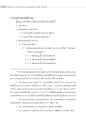
การศึกษาวิเคราะห์เกี่ยวกับอายุและปัจจัยในพระพุทธศาสนา
ตุลาคม พ.ศ. ๒๕๕๙ โครงการบรรยายเรื่อง “การศึกษาวิเคราะห์เรื่องอายุและปัจจัยที่ทำให้
อายุนั้นและอายุอยู่ในแนวพระพุทธศาสนา” โดยนางสาวจรีณี พรี นักวิชาการไทยประจำโครงการรวม
และศึกษาดั้มบริหารไดรผู้ปฏิญญา
โครงการบรรยายเกี่ยวกับการศึกษาวิเคราะห์เรื่องอายุและปัจจัยที่มีผลต่ออายุในพระพุทธศาสนา รวมถึงการนำเสนอเกี่ยวกับเอกสารโบราณ เช่น คัมภีร์ใบลานในประเทศไทยและประเทศเมียนมา โดยมีการจัดสัมมนาที่มีนักวิชาการ
18
ความหมายของคำศัพท์ในพุทธศาสนา
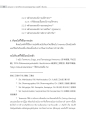
35 Skt: Mahāsāṃghika, Mahāsāṅghika; Pāli: Mahāsamghika, Mahāsamgī- tika, Mahāsāṅghika; Chi: 大衆, 摩訶僧祇 ในหนังสือเกี่ยวกับพระพุทธศาสนาโดยส่วนใหญ ของวงการพุทธศาสตรในบ้านเราเรียกนิทยานนี้ตามคัมภีร์บาสือ มห
เนื้อหานี้นำเสนอการศึกษาเกี่ยวกับคำศัพท์สำคัญในพุทธศาสนา รวมถึงคำว่า 'มหาสังิกะ', 'เถรวา', และ 'Ekavyāvahārika'. คำศัพท์เหล่านี้มีความสำคัญในบริบทของพุทธศาสนาไทย โดยเฉพาะการศึกษาในสาขาต่างๆ ที่เกี่ยวข
20
หลักธรรมในนิยายทางพระพุทธศาสนา
แน่นอน นี่คือข้อความที่อ่านได้จากภาพ:
---
86
ธรรมธรรมวรรณสารฉบับวิธีการทางพระพุทธศาสนา ฉบับที่ 1 ปี 2559
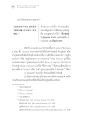
2.2.4 หลักธรรมของนิยายนิยมศาสนา49
2.2.4.1 หัวข้อธรรมอื่นของนิยายมนิยมศาสนา
2.2.5 หลักธ
สาระสำคัญของบทความนี้เกี่ยวกับหลักธรรมในนิยายทางพระพุทธศาสนาที่มีการนำเสนอในฉบับที่ 1 ปี 2559 โดยมีการกล่าวถึงการใช้ต้นฉบับที่แตกต่างกันในการแปล รวมถึงรายละเอียดของแต่ละหลักธรรมในนิยาย อาทิ ธรรมคุปต์ก
22
คำสอนเกี่ยวกับอันตรภาพในพระพุทธศาสนา
124
ธรรมาภาว วารสารวิชาการทางพระพุทธศาสนา
ปีที่ 7 ฉบับที่ 2 (ฉบับรวมวาระที่ 13) ปี 2564
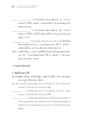
(3) อภิธรรมยายนุสาระ41
又聖教説有中有故, 諸契經言:
“有有七種. 即五趣有,業有,中有.”41
อีกประกาศหนึ่ง คำสอนอัน
เป็นประเสริฐกล่าวว่ามีอัน
บทความนี้มีการกล่าวถึงคำสอนที่สำคัญในพระพุทธศาสนาเกี่ยวกับ 'อันตราพ' หรือช่วงเวลาระหว่างมรณภาพจนถึงการเกิดใหม่ โดยสามารถแบ่งออกเป็น 7 ประเภท หรือ 5 ภพ และการอธิบายความหมายของคำว่า 'antara' และ 'bhava'
48
ธรรมวาท วัตรวาจาการวาทพระพุทธศาสนา ปีที่ 7 ฉบับที่ 2
අทธ, 150
ธรรมวาท วัตรวาจาการวาทพระพุทธศาสนา
ปีที่ 7 ฉบับที่ 2 (ฉบับรวบรวมที่ 13) ปี 2564
"การกำเนินดิ้นายสมวาสติวาท (1)." วาสสาร
ธรรมวาท ปีที่ 3, ฉบับที่ 1 (ฉบับรวมที่ 4), (มกราคม-มิถุนายน
2560): 89-
บทความในวารสารนี้รวบรวมการศึกษาที่เกี่ยวข้องกับธรรมวาทและแนวความคิดทางพระพุทธศาสนา โฟกัสที่การอธิบายและการวิเคราะห์ความสำคัญของคำสอนในคัมภีร์บาลี พร้อมกับการอภิปรายแนวคิดที่สำคัญในพระพุทธศาสนาเถรวาท ก
6
Analysis of Khom Palm Leaf Manuscripts in Thailand
Khom palm leaf manuscripts preserved in the Thai National Library. The text was then analysed in relation to the characteristics of the Caturārakkhā-āṭṭhakathā palm leaf manuscripts, author and period
This text delves into the Khom palm leaf manuscripts preserved in the Thai National Library, analyzing the Caturārakkhā-āṭṭhakathā in terms of its authorship, period, and content. The author shows a d
13
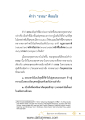
คำว่า ธรรม คืออะไร
คำว่า “ธรรม” คืออะไร
คำว่า ธรรม เป็นคำที่มีมาก่อนการเกิดขึ้นของพระพุทธศาสนา กล่าวคือ เป็นคำที่มีมานับแต่ยุคพระเวท ปรากฏในคัมภีร์ที่เก่าแก่ที่สุดในโลกอย่างคัมภีร์อิรัคเวท เมื่อรวบ 3,500 ปีที่แล้ว และเ
คำว่า 'ธรรม' มีความหมายหลากหลายและมีประวัติศาสตร์ยาวนานตั้งแต่ยุคพระเวท ในพระพุทธศาสนา ธรรมถูกใช้เพื่อบ่งบอกถึงการเข้าใจในกฎธรรมชาติและหลักจริยธรรม ซึ่งรวมไปถึงโลกุตตรธรรมที่ทำให้ผู้คนสามารถก้าวสู่ควา
129
บันทึกบรรณานุกรมพระไตรปิฎกและวรรณกรรมพุทธศาสนา
บรรฑานุกรม
มหาจุฬาลงกรณราชวิทยาลัย. (2543). พระไตรปิฎกภาษาไทย.
กรุงเทพมหานคร: โรงพิมพมหาจุฬาลงกรณราชวิทยาลัย.
มหาจุฬาฯราชวิทยาลัย. (2543). พระไตรปิฎกภาษาไทยและอรรถกถา
แปล. กรุงเทพมหาฯ: โรงพิมพมหาจุ
บรรณานุกรมนี้รวบรวมข้อมูลเกี่ยวกับพระไตรปิฎกในภาษาไทย รวมถึงการตีความและอรรถกถาที่จัดทำโดยมหาจุฬาลงกรณราชวิทยาลัยและวัดปากน้ำภาษีเจริญ นอกจากนี้ยังมีข้อมูลเกี่ยวกับพจนานุกรม Pali-English และไวยากรณ์ขอ
144
ไม่มีข้อมูล
dissatisfaction with contemporary meditation, 36; disinterest in monastic titles, 64; disliked contact with women, 20, 134-135; disturbed by ants, 45; education, 22; eleventh rains, 41; endures pain,
ไม่มีข้อมูลเพื่อสรุปเนื้อหาหรือสร้างบทความ

119
การรับรู้ทุกข์ในชีวิต
John
Sam
Let's look at our daily life or daily work. There
are always problems to face. No matter how big
or small the problem, we have to solve them. But
before solving a problem. We first have to
re
John Sam Let's look at our daily life or daily work. There are always problems to face. No matter how big or small the problem, we have to solve them. But before solving a problem. We first have to re
14
Wisdom Across Religions: An Interview with Luang Por
Interview
They all have the same goal. By using the TV program
we can learn much from the other religions and
incorporate the wisdom into our daily lives.
Luang Por Indeed, all the mainstream religion
In this enlightening interview, Luang Por discusses the commonalities among major religions and the importance of incorporating their wisdom into daily life. It marks Luang Por's first appearance on N
14
Journey to Joy
Journey to Joy
14
The first step is to search for the truth.
Meditate and clarify the mind. When we do so,
happiness will be within reach. It is like when we
are about to learn a foreign language. We
The journey to joy begins by searching for truth and clarifying the mind through meditation. Just as one must temporarily forget their native language to learn a foreign one, we must also set aside di
282
Language Processing Techniques
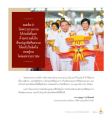
ผมเห็นว่า
วัดพระธรรมกาย
ได้ก่อตั้งขึ้นมา
ด้วยความตั้งใจ
ที่จะปลูกฝังศีลธรรม
ให้ลงไปในจิตใจ
ของผู้คน
โดยเฉพาะเยาวชน
This content delves into the various techniques used in language processing within the field of computational linguistics. It covers methods such as tokenization, parsing, semantic analysis, and machi